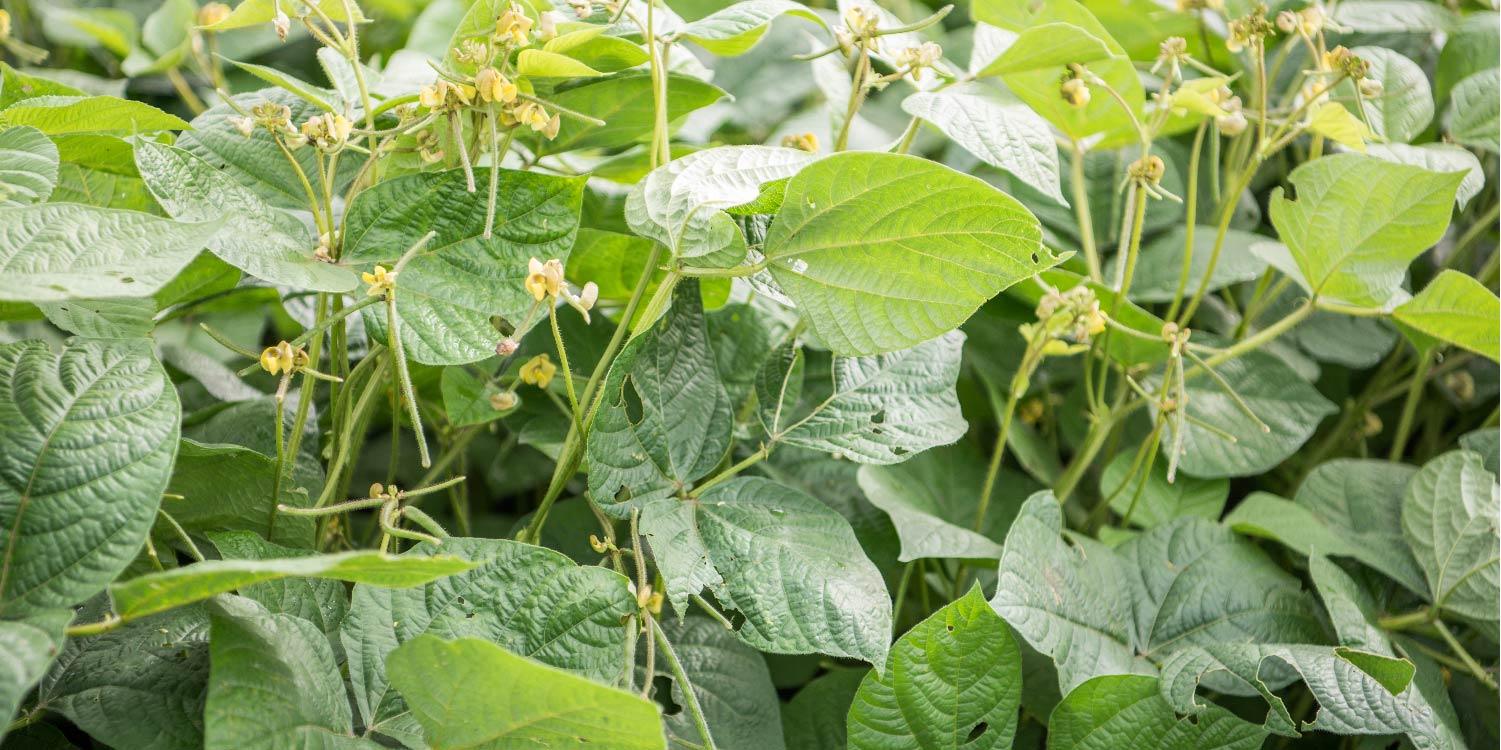


In the tapestry of human history, certain plants are more than just crops; they are silent witnesses to the rise and fall of civilizations, threads that connect ancient farming practices to our modern-day kitchens.1 The humble green gram, or mung bean (Vignaradiata), is one such plant. While it may not have the heroic reputation of wheat or the global drama of the potato, its journey is a fascinating story of resilience, adaptation, and quiet global conquest.
Our story begins over 4,000 years ago in the sun-drenched Indus Valley, a cradle of civilization in what is now Pakistan and northwestern India.2 Here, along the fertile banks of the Indus River, archaeologists have found the earliest evidence of cultivated mung beans. These ancient farmers, pioneers of agriculture, recognized the plant’s unique qualities: its ability to thrive in arid conditions, its nitrogen-fixing properties that enriched the soil, and, of course, its nutritious and versatile seeds. The green gram wasn’t just food; it was a cornerstone of a sustainable agricultural system.
From its birthplace, the green gram began a slow but steady migration. It traveled along ancient trade routes, carried by merchants and travelers who understood its value. It journeyed south into the Indian subcontinent, where it became a staple in countless regional cuisines. The lentil-like dishes of dal, a cornerstone of Indian cooking, often feature the green gram, either whole or split.3 Its quick-cooking nature and mild, slightly sweet flavor made it a favorite for both everyday meals and elaborate feasts.4
The story doesn’t end there. The green gram, like a true global citizen, continued its voyage. Buddhist monks and traders carried it across the Himalayas into Southeast Asia, where it found a new home in the culinary traditions of Thailand, Vietnam, and Indonesia. Here, it transformed into a different kind of ingredient. It was no longer just a savory dal; it became the star of sweet desserts, pastries, and even refreshing drinks. Think of the creamy, sweet mung bean soup of Vietnam (chè đậu xanh) or the delicate fillings of Indonesian bakpia.
But the green gram’s most surprising chapter might be its journey eastward to China. Here, it was embraced not only for its culinary uses but also for its symbolic and medicinal properties. In traditional Chinese medicine, it’s considered a “cooling” food, used to balance the body’s heat and cleanse it of toxins.5 This belief transformed the green gram into a summer staple, often served as a sweet soup (lǜdòu tāng) to combat the oppressive heat. It was also in China that the green gram gave birth to one of its most recognizable forms: the bean sprout. The simple act of germinating the bean unlocked a new, crisp texture and a mild flavor, which became a foundational ingredient in stir-fries and salads worldwide.6
Today, the green gram’s journey is far from over. It is cultivated on every continent except Antarctica, a testament to its adaptability. In the United States, it is a key ingredient in vegan and vegetarian cooking, often ground into flour for gluten-free baking or used to create egg substitutes. In Africa, it is a resilient and protein-rich crop that provides food security in regions with challenging climates.7
The green gram is more than just a bean; it is a global narrative told through food.8 It speaks of ancient trade routes, cultural exchange, and the ingenuity of farmers who, millennia ago, recognized its potential. So the next time you enjoy a bowl of dal, a crisp spring roll, or a refreshing glass of mung bean drink, remember the remarkable journey of this small but mighty legume. It’s a journey that connects us all, from the ancient fields of the Indus Valley to the modern plates on our tables.